Discover essential tips to prevent nail chipping and peeling. Learn simple causes and solutions to keep your nails strong, smooth, and long-lasting.
Nail chipping and peeling can ruin even the prettiest manicure, especially if you love trying new nail art designs. The good news is that most of these issues are completely preventable with the right care routine. In this quick guide, you’ll learn what causes nail damage and the most effective tips to prevent nail chipping and peeling so your nails stay healthy, strong, and beautiful every day.
What Causes Nail Chipping and Peeling?

Nail chipping and peeling usually happens when the nail plate becomes weak, dry, or damaged. Understanding the root causes makes it easier to protect your nails and keep your manicure lasting longer.
1. Lack of Moisture
Dry nails are brittle nails. When nails lose natural oils due to weather, frequent washing, or low-quality products, they crack and peel easily.
2. Harsh Chemicals & Excessive Water Exposure
Cleaning solutions, acetone, soaps, and long showers all weaken the nail layers. Over time, this causes nails to split or chip from the edges.
3. Improper Nail Filing
Filing nails back and forth creates tiny breaks in the nail plate. This leads to peeling, especially on thin or flexible nails.
4. Skipping Base Coat or Using Poor-Quality Polish
A weak polish formula or lack of a protective base coat makes nails prone to damage and early chipping.
5. Overusing Nails as Tools
Opening cans, peeling labels, or picking at objects puts pressure on nail tips, causing them to break or peel.
6. Seasonal Weather Changes
Cold, dry air or sudden temperature changes can dehydrate the nails, making them more likely to lift or split.
7. Nutrient Deficiencies
Low intake of vitamins, minerals, or proteins may lead to soft, weak nails that peel easily.
Essential Tips to Prevent Nail Chipping and Peeling

Keeping your nails strong and smooth starts with the right nail-care habits. These simple, proven tips will help prevent nail chipping and peeling while improving the durability of your manicure.
1. Moisturize Your Nails and Cuticles Daily
Dryness is the biggest cause of nail peeling. Apply cuticle oil and a nourishing hand cream at least once a day to keep your nails flexible and hydrated.
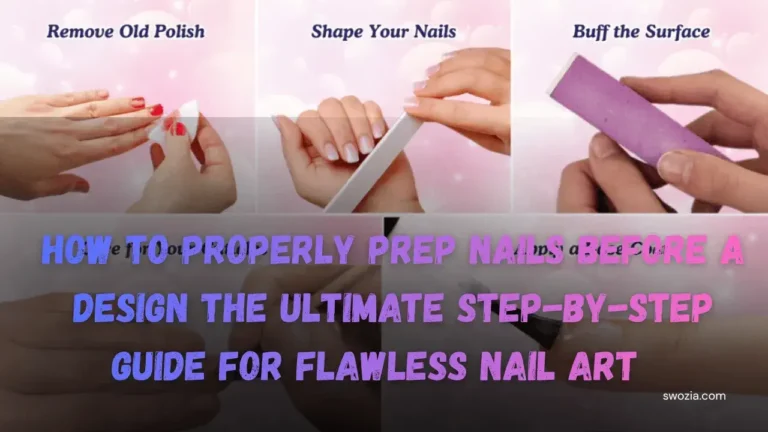
2. Prep Your Nails Properly Before Polishing
Good prep is essential for long-lasting results.
- Clean your nails thoroughly
- Push back cuticles
- Gently buff the surface
- Remove oils with alcohol or nail dehydrator
A clean base prevents polish from lifting early.
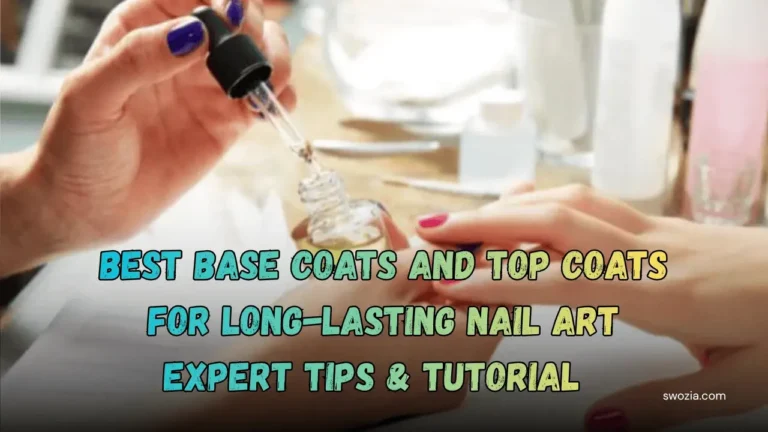
3. Use a Strong Base Coat and High-Quality Polish
A good base coat adds strength to the nail plate and improves polish adhesion. High-quality polish won’t crack or chip as easily, giving you a smoother, longer-lasting finish.
4. Apply Thin Layers of Polish
Thick layers chip faster. Use two thin coats of color and finish with a durable top coat for best results.
5. Protect Nails from Water and Chemicals
Wear gloves while cleaning, washing dishes, or handling strong products. Extended water exposure softens nails, making them prone to peeling and chipping.
6. Avoid Over-Filing or Filing Back and Forth
Always file in one direction to prevent micro-tears in the nail plate. Choose a gentle, fine-grit nail file to avoid damage.
7. Keep Nails at a Manageable Length
Extremely long nails are more likely to break or chip. Trim and shape regularly to maintain strength and balance.
8. Don’t Use Your Nails as Tools
Avoid habits like opening cans, peeling stickers, or scratching off objects. These actions put pressure on nail tips and cause breakage.
9. Reapply Top Coat Every 2–3 Days
A fresh layer of top coat protects your nails and seals the edges, dramatically reducing chipping.
10. Maintain a Healthy Diet for Strong Nails
Include foods rich in biotin, protein, zinc, and healthy fats. Nourished nails are naturally less prone to peeling or splitting.
Step-by-Step Tutorial: Tips to Prevent Nail Chipping and Peeling at Home

You don’t need salon tools to build stronger, healthier nails. This simple at-home routine helps protect your nails from chipping and peeling while keeping them smooth and ready for any manicure.
Step 1: Clean & Shape Your Nails
Start by removing old polish and washing your hands.
- Use a gentle file to shape the nails
- File in one direction to avoid splitting
- Smooth rough edges for a clean base
Clean edges help prevent snagging and early chipping.
Step 2: Hydrate Your Cuticles & Nail Plate
Apply cuticle oil and massage it into the nail and surrounding skin.
This boosts flexibility, prevents dryness, and reduces peeling.
Pro tip: Jojoba oil or vitamin E oil absorbs deeply and supports nail growth.
Step 3: Lightly Buff the Nail Surface
Use a soft buffer to smooth the top layer.
Buffing removes small ridges and helps products adhere better just don’t over-buff, as it can thin the nail.
Step 4: Apply a Nail Strengthener
Choose a strengthening formula designed to reinforce weak or peeling nails.
Apply a thin, even layer and allow it to dry completely.
This creates a protective barrier that keeps nails from breaking.
Step 5: Use the “Thin-Layer Method” for Polish
If you’re applying nail polish:
- Apply one thin layer of base coat
- Add two thin layers of color
- Finish with a long-lasting top coat
Thin layers dry faster and resist chipping better than thick coats.
Step 6: Seal the Free Edge
Brush a small amount of base coat, color, and top coat across the very tip of your nail.
This seals the edge and prevents early chipping especially for longer nails.
Step 7: Finish with Moisturizer
After your manicure dries, apply hand cream to lock in moisture. Hydrated nails stay flexible, which reduces cracking and peeling.
Step 8: Maintain Your Nails Daily
For long-lasting results:
- Apply cuticle oil every day
- Reapply top coat every 2–3 days
- Avoid using nails as tools
Consistent care makes the biggest difference in nail strength.
Additional Tips to Prevent Nail Chipping and Peeling for Polished Nails

Even with proper prep and good products, polished nails need a little extra care to stay chip-free. These simple habits can help your manicure last longer and keep your nails looking fresh.
1. Avoid Using Your Nails as Tools
Using your nails to open cans, peel stickers, or scratch surfaces puts pressure on the tips leading to chipping and peeling. Use a real tool instead to protect your manicure.
2. Reapply Top Coat Every 2–3 Days
A fresh layer of top coat creates a new shield over your polish. This slows down wear, adds shine, and prevents early lifting at the edges.
3. Keep Nails Dry Between Activities
Nails swell when exposed to water for long periods and then shrink as they dry. This constant expansion leads to peeling.
Try to:
- Dry hands thoroughly after washing
- Wear gloves for housework
- Avoid soaking nails unless necessary
4. Avoid Picking or Peeling Off Old Polish
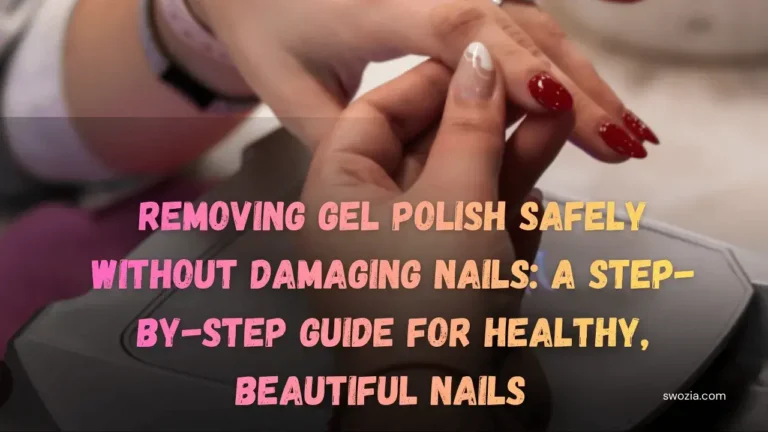
Peeling polish removes layers of the natural nail with it. Always use a gentle remover instead to keep nails smooth and healthy.
5. Choose Nail-Friendly Products
Opt for polishes, removers, and treatments that are:
- Non-drying
- Free of harsh chemicals
- Designed for weak or peeling nails
Clean formulas help keep the nail plate strong and flexible.
6. Keep Your Hands Warm in Cold Weather
Cold air causes dryness, which leads to cracks, breaks, and peeling. Wearing gloves helps maintain nail flexibility and prevents moisture loss.
Best Nail-Friendly Products Tips to Prevent Nail Chipping and Peeling

Using the right nail-care products can make a big difference in whether your nails stay strong and resist chipping or peeling. Below are the types to prioritize and a few examples people often choose (you can research availability in your area or online).
What to look for in good nail care products
- Nail strengtheners / repair serums these bond to the nail plate, rebuild strength, and reduce splitting or peeling. Look for protein-enriched or keratin-boosting formulas, ideally formaldehyde-free or free of harsh chemicals. NogtiPro+2Yahoo+2
- Cuticle oils & hydrating nail oils oils (like jojoba, vitamin E, or almond oil) help moisturize both the nail and cuticle area, improving flexibility and preventing brittleness. NogtiPro+1
- Gentle base coats and top coats a good base coat protects nails before polish; a durable, chip-resistant top coat seals everything and extends manicure life. Yahoo+2Yahoo Style+2
- Non-acetone or gentle polish removers frequent use of harsh removers can dry nails; gentle removers help preserve nail health. NogtiPro+1
Example Products Worth Considering
Highlights
- Sally Hansen Advanced Hard as Nails Strengthener A budget-friendly and popular choice for strengthening nails and reducing breakage. Great if you’re just starting out.
- OPI Nail Envy Nail Strengthener A classic among nail-care lovers: this strengthens soft nails, adds resilience, and works as a base coat under polish.
- CND SolarOil Nail & Cuticle Care Excellent for daily hydration: nourishes both cuticles and nail plates to prevent brittleness and peeling.
- ella+mila First Aid Kiss Nail Strengthener A “clean” (free from many harsh chemicals) option for those sensitive to strong formulas good for gentle but effective strengthening.
- Isdin Si-Nails Strengthening Nail Serum A serum that deeply nourishes nails and cuticles; helps improve nail strength over time, especially if your nails are frequently exposed to water or polish.
- Nail Tek Xtra 4 Nail Strengthener Recommended for soft or peeling nails: helps rebuild structure and resilience, especially after frequent polish removal.
- Typology Hand & Nail Serum A clean, gentle serum good for maintaining healthy nails and cuticles nice if you prefer minimal or natural-ingredient formulas.
- Duri Rejuvacote 1 Nail Growth System A dual base/top-coat system that strengthens nails while also protecting them from everyday wear and tear.
How to Use Them for Best Results
- Use a nail strengthener or serum on bare nails (or under polish) 2–3 times a week or as recommended.
- Apply cuticle oil daily especially after washing hands or before bed.
- Always start with a base coat before polish and finish with a top coat, sealing the free edge of the nail to minimize chips.
- Use a gentle remover (non-acetone, ideally) to preserve oils and avoid drying the nail.
Conclusion
Preventing nail chipping and peeling isn’t complicated it’s about consistent care, proper prep, and using products that protect and strengthen your nails. With the right routine, your nails can stay smooth, flexible, and ready for any nail art style you want to create. By moisturizing daily, using quality base and top coats, and following smart habits like sealing the free edge and avoiding harsh chemicals, you’ll notice a big difference in how long your manicures last.
If you found these tips helpful, explore more of our nail-care guides and tutorials to keep your nails healthy, strong, and looking gorgeous every day. Want more nail art tips and weekly care routines? Subscribe or follow for updates!
For more Nail Art Design Ideas, Please visit Swozia.com.
FAQs
1: Why do my nails chip and peel so easily?
Nails often chip and peel due to dryness, overexposure to water, harsh chemicals, improper filing, or using low-quality polish. Weak or dehydrated nails are more likely to break.
2: How can I stop my nail polish from chipping so quickly?
Prep your nails properly, apply thin layers of polish, always use a base and top coat, and seal the free edge. Reapplying top coat every 2–3 days also helps extend manicure life.
3: What is the best way to strengthen weak or peeling nails?
Moisturize daily with cuticle oil, use a nail strengthener, avoid over-filing, and protect your hands from water and chemicals. A consistent routine makes nails stronger over time.
4: Can nail polish cause nails to peel?
Yes, certain low-quality polishes or harsh removers can dry out your nails. Peeling off polish instead of removing it properly can also damage the nail surface.
5: How often should I use cuticle oil to prevent chipping and peeling?
Daily use is best once in the morning and once at night helps keep the nails flexible, hydrated, and resistant to cracking or peeling.