Achieving long-lasting, salon-quality nail art at home isn’t just about picking the trendiest colors or designs it starts with the right base coat and top coat. These often-overlooked products are the secret to nails that stay chip-free, vibrant, and glossy for days. A good base coat protects your natural nails and ensures a smooth surface for polish, while a quality top coat locks in color and adds that professional shine.
In this guide, we’ll dive into the best base coats and top coats for long-lasting nail art, share expert tips for choosing the right products, and provide a step-by-step tutorial to help you create durable, stunning nails at home. Whether you’re a beginner or a seasoned nail artist, mastering these essential steps can transform your nail game.
Why Base Coats and Top Coats Are Essential for Long-Lasting Nail Art

When it comes to nail art, the secret to a professional-looking, durable finish lies in the base coat and top coat. These two steps are often underestimated, but they play a crucial role in extending the life of your nail designs and keeping them looking fresh.
Benefits of Using a High-Quality Base Coat
A base coat is the foundation of any nail art. Here’s why it matters:
- Protects your natural nails: Prevents staining from pigmented polishes.
- Smooths the nail surface: Creates an even canvas for nail polish or nail art designs.
- Strengthens weak nails: Many base coats include vitamins or strengthening agents to reduce peeling and breakage.
- Enhances polish longevity: Helps color adhere better, reducing chipping and premature fading.
Why a Top Coat Can Transform Your Nail Art
The top coat is your nail art’s final layer, and it’s just as important as the base. Here’s what it does:
- Locks in color and designs: Seals your nail art, keeping intricate designs intact.
- Adds shine or a matte finish: Provides the desired look, from glossy salon-quality shine to trendy matte.
- Prevents chipping and smudging: Creates a protective barrier against daily wear and tear.
- Extends wear: With a good top coat, your nail art can last several days longer without losing its vibrancy.
In short, skipping a base or top coat can drastically shorten the life of your nail art, leaving nails prone to chipping, fading, or staining. Investing in quality products for these steps is a small effort that yields professional results every time.
How to Choose the Best Base Coats and Top Coats for Your Nail Art

Choosing the right base coat and top coat isn’t just about brand names it’s about matching the formula to your nail type, polish style, and how long you want your manicure or nail art to last. Here’s a breakdown to make smart decisions that boost durability and finish quality.
1. Understand the Different Types of Base Coats
- By Nail Condition
- If your nails are weak, peeling, or brittle, look for a strengthening or rubber base. These give flexibility and support.
- For ridged or uneven nails, a smoothing base (sometimes called a ridge-filling base) helps level the surface so polish glides on more evenly.
- If you have a relatively healthy, even nail plate, a light or standard base coat may suffice.
- By Hardness / Flexibility
Nail experts categorize bases by their “hardness” after cure: hard, medium, elastic (rubbery), or soft.- Hard base coats: Good for very strong nails or when you want maximum rigidity.
- Elastic (rubber) base coats: Best for fragile or thin nails they flex rather than crack.
- Medium bases: All-rounders.
- By pH and Chemistry
Some base coats help neutralize acidity or have a suitable pH to protect the nail plate. - By Purpose
Decide whether you need just protection (to prevent staining), strengthening, or a combination (like a ridge-filler + strengthener).
2. Know the Different Types of Top Coats
Not all top coats are created equal knowing your options helps you choose something that works for your style and commitment level.
- Regular (Film‑Forming) Top Coats
- Air-dries like traditional polish. isaynail.com+1
- Ideal for everyday wear, and compatible with most regular polishes.
- Offers protection, but may not last as long as gel systems.
- Quick‑Dry Top Coats
- Contain solvents or additives that speed up drying. isaynail.com+1
- Perfect for when you’re in a rush or want to avoid smudging.
- May not be as durable or “thick” as some gel topcoats trade-off between speed and staying power.
- Gel / UV-Cure Top Coats
- Require a UV or LED lamp to cure. isaynail.com+1
- Offer superior longevity, shine, and flexibility.
- Choose based on your lamp type: some gels cure under LED, some under UV, and some are dual-cure.
- Consider “no‑wipe” gel top coats if you want to skip the sticky residue after curing.
- Matte Top Coats
- If you prefer a flat, velvety finish rather than shine.
- Can be either air-dry or gel, so pick based on the system you’re using.
3. Key Performance & Compatibility Factors
To make sure your base and top coats actually work well together and deliver lasting results, keep these factors in mind:
- Durability Claims & Testing
- Look for brands that provide real-world or lab-tested wear times.
- Check for abrasion resistance, gloss retention, and other performance metrics.
- Compatibility
- Ensure your top coat is compatible with your base coat and color polish: e.g., gel top coat over a gel base, or regular top coat over lacquer.
- For gel systems, check that both base and top cure under the same lamp power/type. isaynail.com
- Curing and Application Characteristics
- For gel top coats: focus on self-leveling formula and viscosity (too thick = hard to smooth; too thin = runs). isaynail.com
- For all types: assess brush quality and formula flow this affects streaks, pooling, and how easy/difficult application is. isaynail.com
- Safety & Ingredients
- For sensitive users: check for HEMA-free or low-VOC options. isaynail.com
- Ensure product transparency: some sources recommend checking SDS (Safety Data Sheets) especially for gels. isaynail.com
4. Match Your Choice to Your Nail Art Style & Lifestyle
- For Intricate or Raised Nail Art:
Use a gel top coat that provides flexibility so the design stays intact without cracking. - For Quick Manicures / Rushed Sessions:
A quick-dry top coat helps seal things fast. - For Long-Lasting Manicures (Vacation, Events):
A gel base + gel top coat system is ideal for extended wear. - For Natural or Healthy Nails Only:
A simple strengthening base coat + regular top coat may suffice if durability isn’t your top priority.
5. Test Before Committing
- Try mini-sizes or sample bottles first to see how a base + top coat combo performs on your nails.
- Apply, wear for a few days, and check: “Does it chip? Does the gloss fade? Is there lifting?”
- If you’re using gel, test curing times and make sure you’re using the correct lamp settings.
6. Budget & Brand Considerations
- High-quality base and top coats can be a worthwhile investment they save you money in the long run by reducing manicure redo rate.
- You don’t always need a super-expensive brand, but don’t go too cheap: very low-cost coats may lack durability, compatibility, or safety testing.
- Read reviews from trusted beauty sources, nail artists, or forums to find reliable picks.
Step-by-Step Tutorial: Applying Base and Top Coats for Salon-Quality Nails at Home

Creating long-lasting, professional-looking nail art at home starts with proper application of your base coat and top coat. Follow this simple, step-by-step guide to ensure your nail art stays vibrant and chip-free.
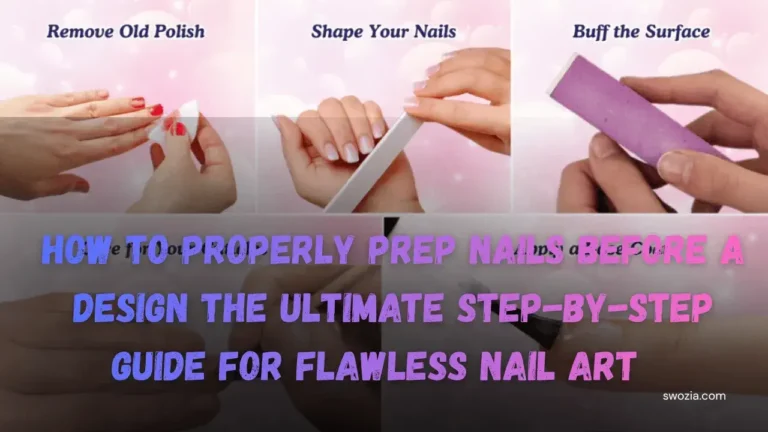
Step 1 – Prep Your Nails
Proper nail prep is the foundation for long-lasting nail art.
- Remove old polish using a gentle, acetone-free remover.
- Trim and shape nails with a nail file.
- Push back cuticles carefully using a cuticle pusher.
- Buff the nail surface lightly to remove ridges.
- Wash hands and nails to remove dust and oils dry completely.
Pro Tip: Applying a little rubbing alcohol or nail cleanser can remove any remaining oils, helping your base coat adhere better.
Step 2 – Apply the Base Coat
- Shake or roll the base coat bottle gently (avoid shaking vigorously to prevent bubbles).
- Apply a thin, even layer starting from the center of the nail, then sweep to the sides.
- Seal the edges by lightly brushing the tip of the nail.
- Allow 1–2 minutes to dry (or follow the product’s instructions).
Pro Tip: A thin layer works better than a thick one thick base coats may peel or bubble.
Step 3 – Nail Art Application (Optional)
- Apply your chosen nail polish or nail art design in thin layers.
- Allow each layer to dry for 1–2 minutes before applying the next.
- For intricate designs, use dotting tools, brushes, or stamping plates.
Pro Tip: Thin layers prevent smudging and help the top coat adhere better.
Step 4 – Apply the Top Coat
- Shake or roll the top coat bottle gently.
- Apply a thin layer over the entire nail, covering the nail art completely.
- Seal the edges of the nail to prevent premature chipping.
- Allow nails to dry completely or cure under an LED/UV lamp if using a gel top coat.
Pro Tip: Apply top coat every 2–3 days to refresh shine and extend the life of your manicure.
Step 5 – Maintenance Tips for Long-Lasting Nails
- Avoid hot water for long periods immediately after finishing your manicure.
- Wear gloves when doing household chores.
- Reapply top coat periodically for maximum durability.
- Keep cuticles moisturized to prevent peeling around the nail edge.
Top Recommended Base Coats and Top Coats in 2025

Here are some of the best-performing and most trusted base coats and top coats for long-lasting nail art in 2025 categorized by their strengths and use cases.
Top Base Coats
- OPI Infinite Shine Base Coat
- Why it’s great: This base coat is part of OPI’s long‑wear “Infinite Shine” system. Users report week‑long manicure wear without chipping, thanks to its strong adhesion.
- Performance: Creates a smooth, shiny foundation for color; helps prevent staining.
- Notes: Ideal for those who use regular polish but want a gel-like durable finish.
- CANNI Rubber Base Coat
- Why it’s great: The flexible, rubberized formula provides extra strength, especially for weak or brittle nails. CANNI.CO.UK+1
- Performance: Helps prevent lifting, especially under gel or long-wear polishes. CANNI.CO.UK
- Notes: Part of CANNI’s 2025 gel line that’s HEMA-free a good pick for sensitive users. CANNI.CO.UK+1
- Essie Here to Stay Base Coat(from combination base/top category)
- Why it’s great: Highly recommended by nail enthusiasts for good adhesion and long-lasting wear.
- Performance: Smooth application, helps polish layers stick better.
- Notes: Pairs well with many top coats, especially for lacquer-style manicures.
Top Top Coats
- Seche Vite Dry Fast Top Coat
- Why it’s great: A cult favorite known for fast drying and high-gloss “glass-like” finish.
- Performance: Penetrates through your polish to form a solid protective layer.
- Considerations: Some users note that when the bottle gets low, the formula can thicken or get goopy. glowymino.weebly.com+1
- Safety: Contains toluene, so if you’re avoiding certain chemicals, check ingredient lists. ChickAdvisor+1
- OPI Infinite Shine Gel‑Like Top Coat
- Why it’s great: Complements the Infinite Shine base coat for a durable, glossy finish without needing a UV lamp.
- Performance: Leaves a protective, high-shine layer and helps extend the longevity of your manicure.
- Considerations: Not as fast-drying as some quick dry top coats; takes time to fully set. Ulta Beauty
- CANNI No‑Wipe Top Coat
- Why it’s great: A gel top coat that cures without leaving a sticky layer saving you the wipe-down step.
- Performance: Highly glossy, chip-resistant finish when used with CANNI’s base coat. CANNI.CO.UK
- Notes: Works with UV/LED lamps. Great for people who want salon-level durability.
Honorable Mentions
- CANNI Tempered Top Coat: Extra strength and scratch resistance for long wear. CANNI.CO.UK+1
- CANNI Matte Non‑Cleansing Tempered Rubber Coat: If you prefer a matte finish + strong protection. CANNI.CO.UK
- Essie Gel Couture Top Coat: Though not listed above in detail, it’s frequently praised for chip resistance especially when paired with Essie’s base coats. Top Tested
Common Mistakes to Avoid for Long-Lasting Nail Art

Even with the best base and top coats, certain mistakes can drastically shorten the life of your nail art. Avoid these pitfalls to ensure your manicure stays vibrant, chip-free, and professional-looking.
1. Skipping the Base Coat
Many people overlook the base coat, thinking it’s optional.
- Why it matters: Base coats protect your natural nails from staining, smooth out ridges, and improve polish adhesion.
- Consequence: Without it, nail polish can chip quickly, fade unevenly, or leave yellow stains.
2. Applying Thick Layers of Polish
- Why it’s a mistake: Thick polish takes longer to dry, is prone to bubbling, and increases the risk of smudges.
- Solution: Apply thin, even coats for both polish and nail art designs. Multiple thin layers dry faster and last longer.
3. Neglecting the Top Coat or Not Sealing Edges
- Why it’s a mistake: The top coat locks in color and protects your nail art from daily wear. Failing to seal the free edge can lead to premature chipping.
- Solution: Always apply a top coat over the entire nail, including the tip, and reapply every 2–3 days for extended durability.
4. Not Preparing Your Nails Properly
- Why it’s a mistake: Oils, residue, or uneven surfaces prevent polish from adhering well.
- Solution: Clean, buff, and prep your nails before applying any polish. Use a gentle cleanser or rubbing alcohol to remove oils.
5. Rushing the Drying Process
- Why it’s a mistake: Touching nails before they’re fully dry or cured can ruin your polish, smudge designs, or reduce shine.
- Solution: Be patient! Allow each layer to dry completely before moving to the next, and use quick-dry sprays or gel lamps if needed.
6. Using Incompatible Base and Top Coat Combinations
- Why it’s a mistake: Some base and top coats don’t interact well, especially when mixing gel and regular polishes.
- Solution: Pair compatible systems regular polish with regular top/base coats, and gel polish with gel-compatible top/base coats.
7. Neglecting Nail Maintenance
- Why it’s a mistake: Daily activities like washing dishes, cleaning, or typing without protection can shorten polish life.
- Solution: Wear gloves during chores, moisturize cuticles, and reapply top coat periodically.
Conclusion
Achieving long-lasting, salon-quality nail art starts with choosing the right base coat and top coat and applying them correctly. A high-quality base coat protects your natural nails, smooths the surface for polish, and strengthens weak nails, while a durable top coat locks in your design, adds shine, and prevents chipping. By following the proper steps from nail prep to sealing the edges and avoiding common mistakes, you can enjoy vibrant, chip-free nails for days.
Ready to transform your manicure game? Start by picking from our top recommended base and top coats for 2025, try our step-by-step tutorial, and share your gorgeous, long-lasting nail art with friends. Your nails deserve the professional touch, even at home!
For more Nail Art Design Ideas, Please visit Swozia.com.
FAQs
1: Do I really need a base coat and top coat for nail art?
Yes! The base coat protects your natural nails from staining and improves polish adhesion, while the top coat locks in color, prevents chipping, and adds shine. Skipping either can significantly reduce the lifespan of your manicure.
2: How often should I reapply top coat to maintain long-lasting nail art?
For best results, reapply your top coat every 2–3 days. This refreshes shine, strengthens protection, and prolongs the life of your nail art.
3: Can I use a regular top coat over gel nail polish?
It’s not recommended. Regular top coats may not bond properly with gel polish and can cause smudging or lifting. Use a gel-compatible top coat for gel manicures.
4: What’s the difference between a quick-dry top coat and a gel top coat?
Quick-dry top coats dry quickly without a lamp but may not last as long as gels. Gel top coats require curing under a UV or LED lamp and provide superior durability, gloss, and chip resistance.
5: How do I choose the right base coat for my nails?
Select a base coat based on your nail condition: strengthening or rubberized bases for weak or brittle nails, ridge-filling bases for uneven nails, and standard bases for healthy nails. Always match it with your top coat and polish type for best results.